Know what’s in your water.
More than half of U.S. tap water contains PFAS, the toxic “forever chemicals.”
Is your home one of them?
Save $50 with code LAUNCH50
Ships November 15
Testing your tap water for PFAS is the only way to know if you have them

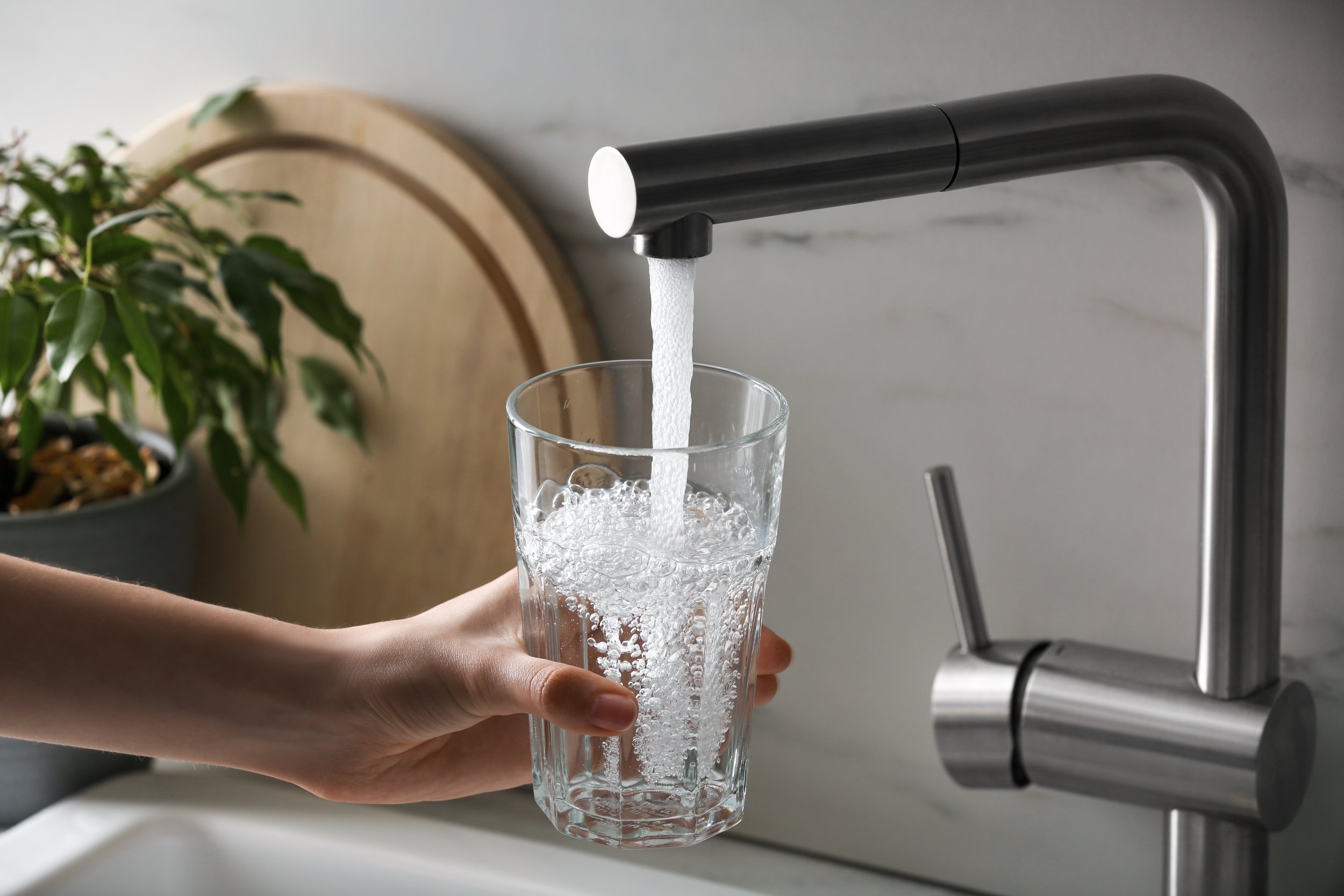
You can't see PFAS in your drinking water.
Your water may look clean, but appearances don't tell the whole story. PFAS have no taste, smell or color. Testing is the only way to know.

What you can't see can affect your health.
Studies link long-term PFAS exposure to certain cancers, immune effects and developmental effects in children.
Understanding what's in your water is an important first step toward protecting the people you love.

PFAS stay with you.
PFAS don’t break down in the environment or the body. They build up over time.
What’s in your water today may matter for years to come.
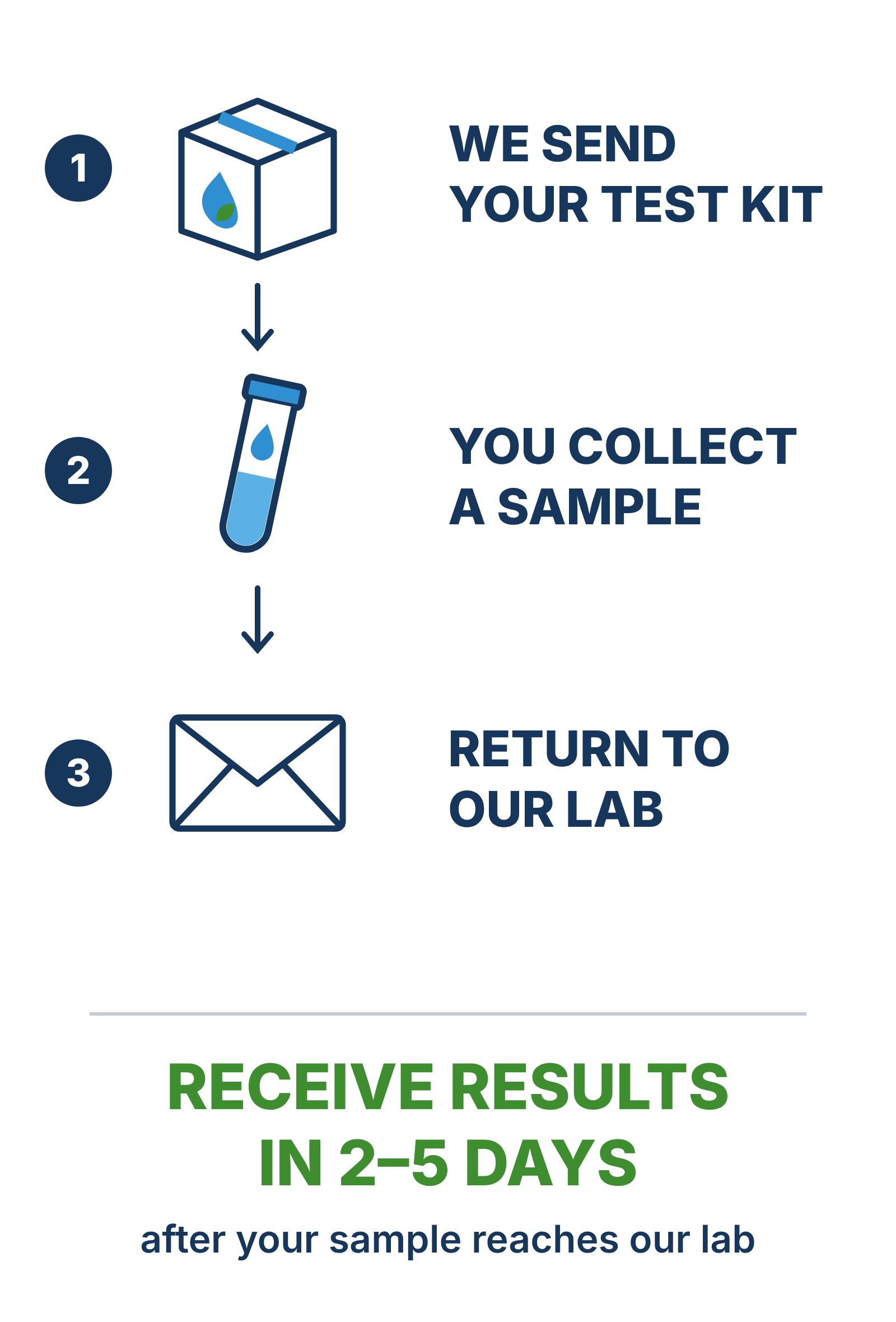
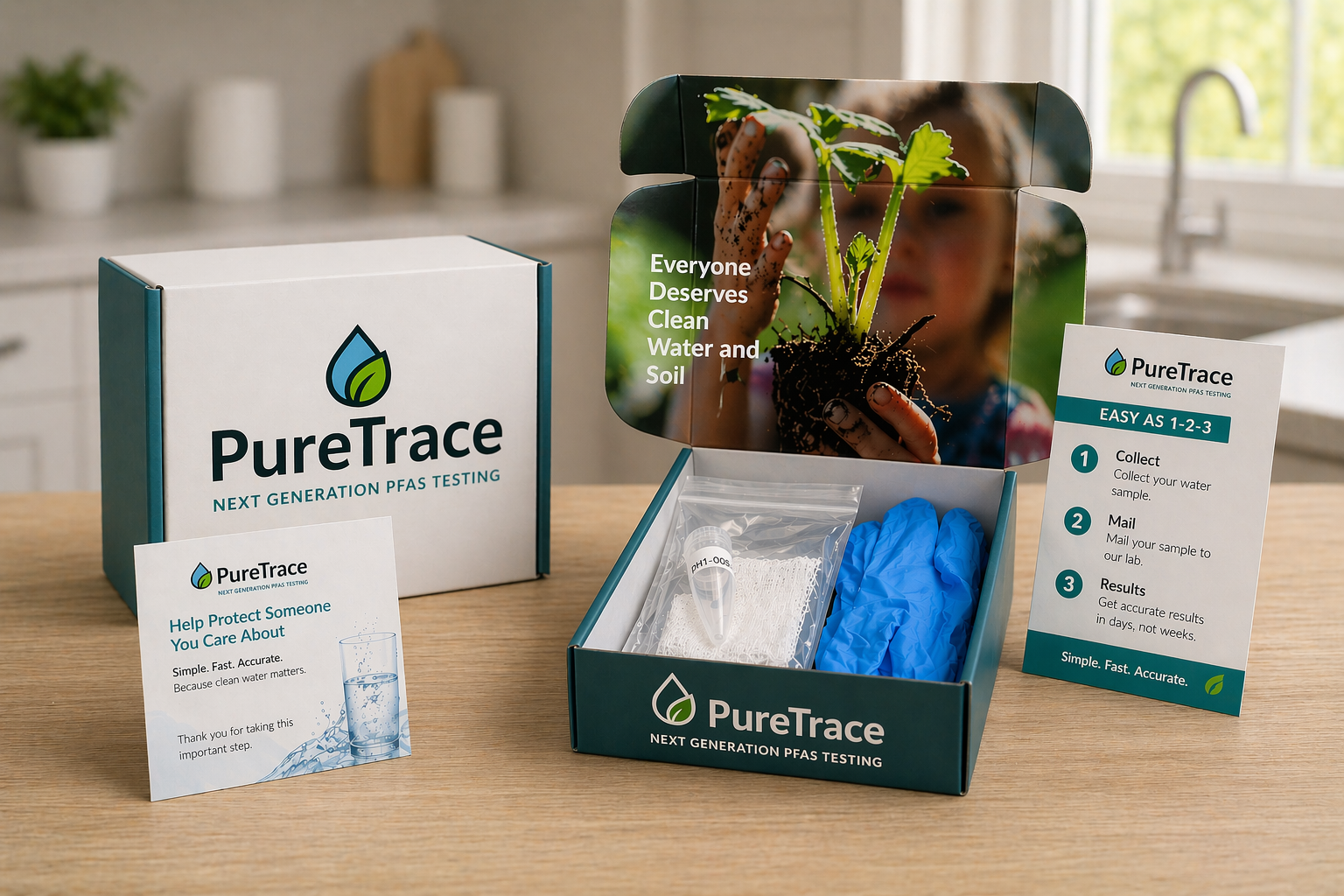
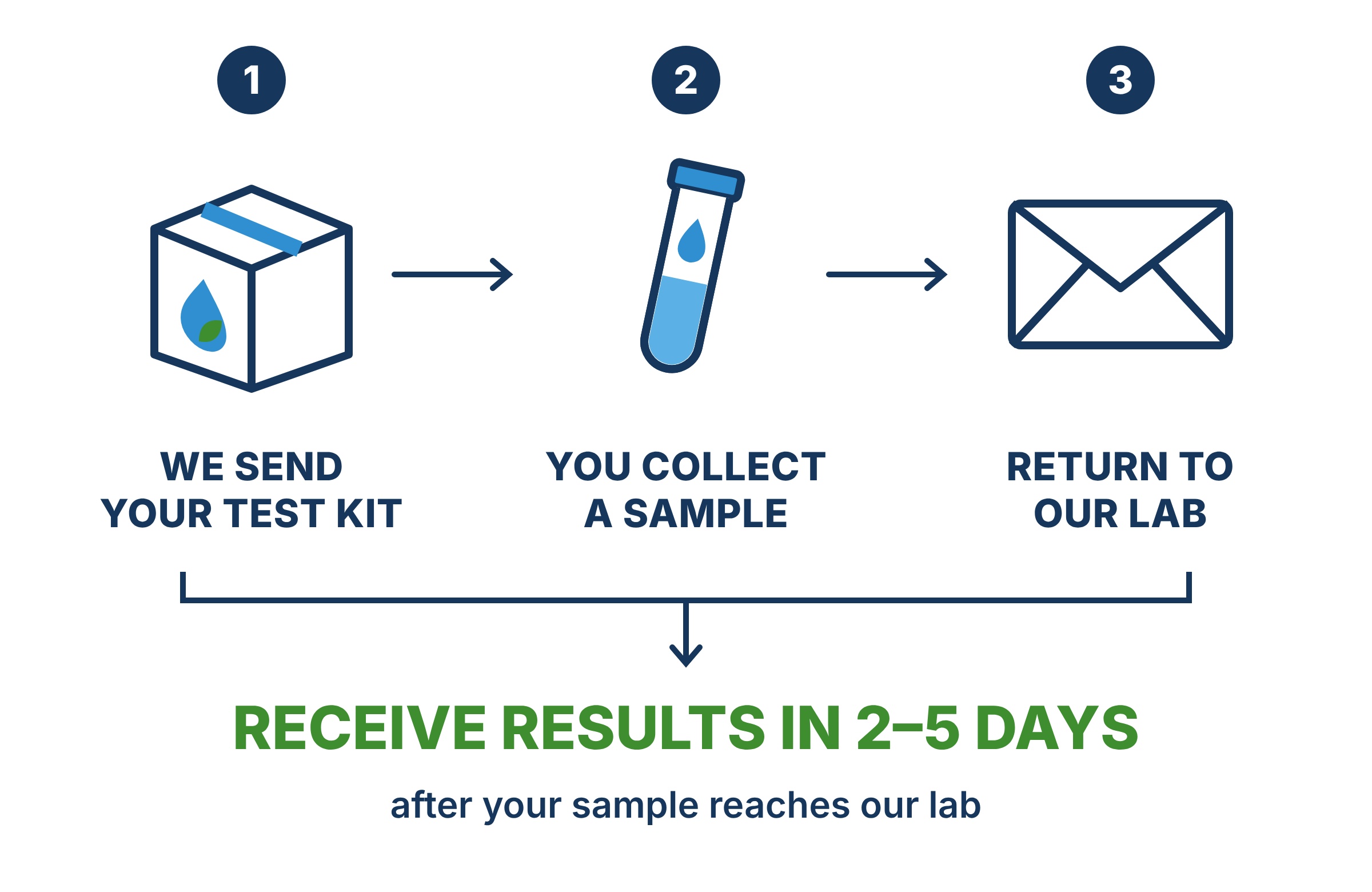
How it works
Save $50 with code LAUNCH50
What if PFAS are found?
Finding PFAS doesn’t mean your home is unsafe. It gives you the information to decide on next steps, now or in the future. Your report explains what your results mean, and there are options for every budget:
Carbon-filter pitchers: a low-cost way to reduce certain PFAS in drinking water
Under-sink filters: stronger filtration for drinking and cooking water
Reverse osmosis systems: significantly reduce many PFAS compounds
Whole-home filtration: treats all the water in your house
Retesting: confirm your filter is working and track changes over time
Knowing is the first step.
Save $50 with code LAUNCH50
Science you can trust
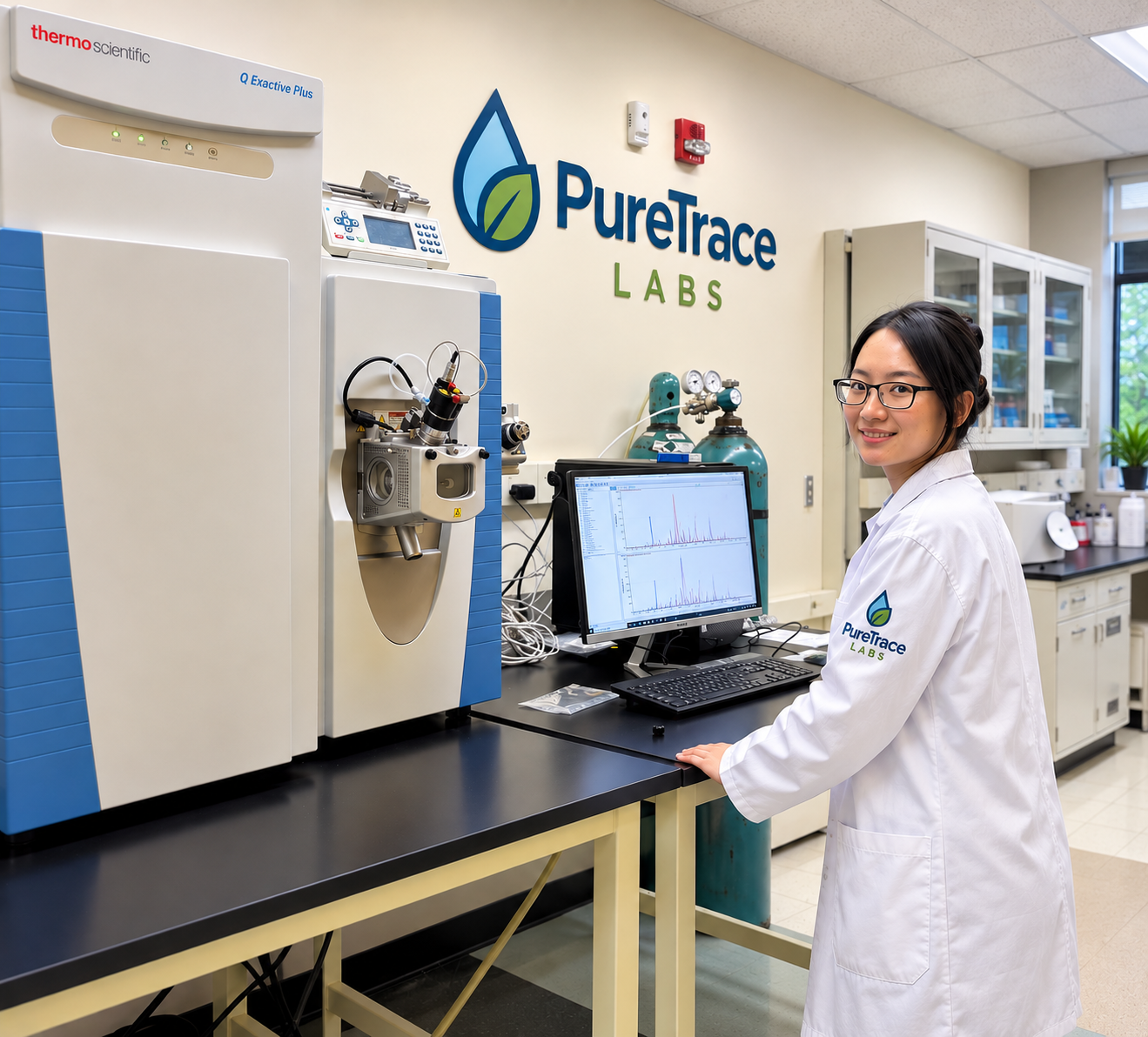
Dr. Joanne Chiu, Director of Scientific Operations, in the PureTrace lab.
PureTrace’s technology was developed at NJIT by Dr. Hao Chen, a pioneer in paper spray mass spectrometry, and benchmarked against EPA Method 533, the standard method for measuring PFAS in drinking water. PureTrace launched from NJII’s Venture Studio and is an alum of the Cleantech Open 2026 cohort.